
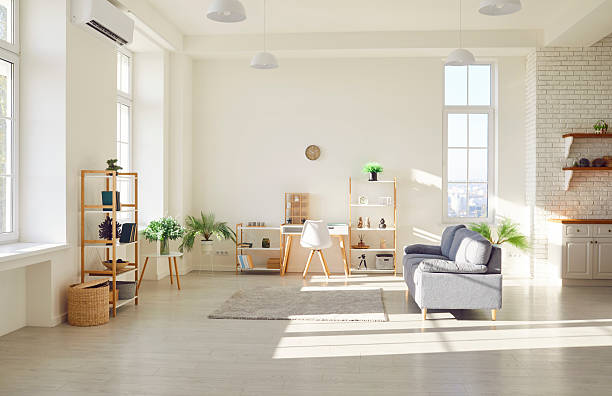
Cities around the world are evolving rapidly. High-rise buildings continue to reshape skylines, and urban populations are growing faster than ever before. While vertical living once symbolized convenience and efficiency, many modern homebuyers are now reconsidering what truly makes a comfortable and sustainable urban lifestyle. Instead of simply looking for height and density, buyers are increasingly prioritizing space, thoughtful design, and a sense of balance between city access and personal well-being.
This shift has brought renewed attention to residential developments that offer a different perspective on city living. Rather than maximizing the number of units in a building, these developments focus on creating environments where residents can enjoy privacy, comfort, and functionality within their homes.
Table of Contents
Why Space Matters More Than Ever
Over the past decade, the definition of an ideal home has changed significantly. Homes are no longer just places where people sleep after a long day. They now serve multiple roles: workspace, relaxation area, family gathering place, and personal retreat.
As remote and hybrid work arrangements become more common, residents increasingly value larger living areas that can accommodate flexible routines. A home that offers room for a dedicated workspace, comfortable living areas, and quiet corners for relaxation contributes greatly to daily well-being.
Spacious residences also support healthier lifestyles. Natural lighting, proper ventilation, and well-designed layouts can significantly influence mood and productivity. Instead of cramped environments, people are seeking homes that allow movement, comfort, and calmness within their own living spaces.
The Rise of Low-Density Residential Developments
One of the most notable trends in modern real estate is the growing preference for low-density communities. In contrast to densely packed residential towers, low-density developments limit the number of units per floor or building. This design approach offers several advantages that appeal to today’s homeowners.
First, fewer units generally mean greater privacy. Residents are less likely to experience constant foot traffic in hallways or crowded shared spaces. Elevators, amenities, and common areas remain accessible without feeling overly busy.
Second, low-density communities often provide more thoughtfully designed amenities. Instead of squeezing facilities into limited space, developers can allocate more room for gardens, lounges, fitness areas, and other features that enhance quality of life.
Finally, these developments encourage a more peaceful atmosphere within the building. With fewer residents competing for shared resources, the overall living environment feels calmer and more refined.
Design That Supports Everyday Living
Modern residential architecture increasingly focuses on functionality rather than just visual appeal. While elegant facades and stylish interiors remain important, designers are placing equal emphasis on how spaces are used on a daily basis.
Open floor plans, wider hallways, and larger windows are common features in contemporary developments. These elements help create a sense of openness while improving airflow and natural lighting throughout the home.
Balconies, garden spaces, and outdoor terraces are also becoming essential components of residential design. Access to outdoor areas allows residents to step away from indoor environments without leaving their homes entirely. These spaces can serve as quiet reading corners, small garden areas, or simply places to enjoy fresh air after a busy day.
Such design considerations contribute to homes that feel both functional and inspiring.
The Importance of Location in Urban Living
While space and design play crucial roles in residential satisfaction, location remains one of the most important factors when choosing a home. Living close to workplaces, schools, healthcare facilities, and lifestyle destinations can significantly improve daily convenience.
Urban districts that integrate residential, commercial, and recreational spaces are becoming increasingly desirable. These mixed-use environments allow residents to access restaurants, parks, offices, and retail centers without traveling far from home.
However, the most attractive locations balance accessibility with tranquility. Buyers are drawn to communities that offer easy connections to major city centers while maintaining a peaceful residential atmosphere.
In such settings, developments designed around spacious living can stand out as an appealing option for those seeking comfort within a vibrant urban environment. Many prospective homeowners exploring these options often begin their search for a well-designed luxury condo that combines thoughtful architecture with a prime location.
Long-Term Value of Quality Residential Developments
Beyond lifestyle considerations, many buyers also evaluate property purchases from an investment perspective. High-quality residential developments tend to maintain stronger long-term value, especially when they emphasize design excellence, location, and construction standards.
Properties that provide generous living spaces and carefully curated amenities often remain desirable even as market trends evolve. Unlike developments built purely for maximum occupancy, thoughtfully planned communities tend to age more gracefully and retain their appeal among future buyers and renters.
Additionally, properties located within well-planned urban districts typically benefit from surrounding infrastructure improvements over time. As commercial centers expand and transportation networks improve, nearby residential developments may see increased demand.
A New Perspective on Urban Homes
The concept of urban living is undergoing an important transformation. Instead of prioritizing density alone, many homebuyers are searching for residences that enhance their quality of life through thoughtful design, comfortable space, and peaceful surroundings.
This evolving perspective reflects a broader understanding of what a home should provide. It is not merely a place to live within the city, but a space that supports daily routines, encourages relaxation, and adapts to changing lifestyles.
As cities continue to grow, developments that focus on spacious layouts, privacy, and integrated environments are likely to play a central role in shaping the future of residential living.

Oliver is a professional blogger and a seasoned business and finance writer. With a passion for simplifying complex financial topics, he provides valuable insights to a diverse online audience. With four years of experience, Oliver has polished his skills as a finance blogger.


