
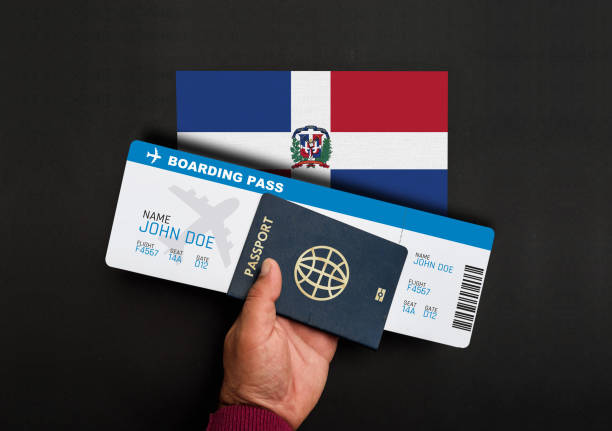
If you’ve started planning a trip to this Caribbean island and typed “e Ticket Dominican Republic” into a search bar at some point, you’re already on the right track. This small but important step has quietly become one of the most talked-about parts of trip preparation for anyone flying into the country, and for good reason. It replaced a stack of paper forms that travelers used to fill out on the plane, and it changed the way people think about “getting ready” for a Caribbean getaway.
I’ve flown into Punta Cana, Santo Domingo, and Puerto Plata more times than I can count over the last few years, both for work and for family vacations, and I’ve watched this process evolve. What used to be a slightly stressful scramble for a pen on the plane has turned into something you sort out calmly from your couch, days before you even pack a bag. That shift alone is worth talking about, but there’s more nuance to it than most short explainers give credit for.
Table of Contents
The Reasoning Behind the Process
No two countries handle the movement of travelers in quite the same way. Some ask for handwritten declarations, some rely on stamps and stickers, and others have moved almost entirely into the digital space. The Dominican Republic falls into that last category now. The idea behind the shift wasn’t just modernization for its own sake — it was about reducing bottlenecks at immigration counters, cutting down on lost paperwork, and giving both entry and exit processing a cleaner, faster structure.
Anyone who has stood in a long arrivals line after a five-hour flight knows how much a smoother process matters. Fewer paper forms means fewer errors, fewer illegible signatures, and fewer moments where an agent has to ask you to redo something because a box was left blank. It’s a small piece of travel logistics, but it has an outsized effect on how your first thirty minutes in the country actually feel.
Who Actually Needs to Complete It
This applies to essentially everyone flying in, regardless of nationality, and it also applies when you’re getting ready to leave. That’s a detail people miss constantly. It isn’t just an arrival formality — there’s a departure component as well, which surprises travelers who assume they’re done with paperwork once they’ve cleared customs on day one.
Families traveling together sometimes wonder whether children need their own separate submission or whether they can be grouped under a parent’s entry. Group leaders organizing trips for larger parties run into similar questions. The general principle is that each traveler, including minors, needs to be accounted for individually within the process, even if a parent or guardian is the one physically filling everything out on their behalf. Skipping a family member because “they’re just a kid” is one of the more common oversights I’ve heard about from other travelers.
Timing Matters More Than People Expect
One of the biggest misconceptions is that this can be handled at the airport, the same way an old paper form used to be. While there’s often some flexibility, the smarter approach — and the one frequent flyers swear by — is to complete it in the days leading up to departure, not the morning of. Airport wifi is unreliable, gate agents are not equipped to help you troubleshoot a stalled submission, and nothing ruins the start of a vacation like frantically trying to finish a form while boarding is being called.
A good rule of thumb is to treat it the same way you’d treat checking your passport expiration date: do it early, confirm it’s done, and then forget about it until you land. Most travelers find that setting aside ten quiet minutes at home, with a stable internet connection and their documents in front of them, is far less stressful than trying to do it hunched over a phone in a crowded terminal.
What Information You’ll Actually Need on Hand
Before sitting down to complete this step, it helps to have a few things gathered so you’re not scrambling mid-process. You’ll typically want:
- Passport information, copied precisely the way it’s printed, down to every letter and number
- Flight details for both the inbound trip and the one bringing you home
- The address of where you’ll be staying, whether that’s a resort, a rental home, or a relative’s place
- Basic personal details that match your travel documents precisely
That detail catches out more people than you’d expect. A mismatched middle name, a transposed passport number, or a nickname used instead of a legal name can cause unnecessary friction at the counter. Immigration officers are looking for consistency between what’s on your form and what’s printed in your passport, so it pays to double-check every field before submitting.
A Few Lessons Learned the Hard Way
I’ve talked to enough fellow travelers, and made enough of my own small mistakes, to have a mental list of things worth avoiding:
Don’t wait until you’re already at the gate. Connectivity issues and last-minute distractions make this a bad time to fill out anything important.
Don’t assume your travel companion’s submission covers you. Each person needs their own, even if you’re traveling as a couple or a family unit.
Don’t guess on accommodation details. If your plans shift and you switch hotels or rental properties at the last minute, it’s worth updating that information rather than leaving outdated details in place.
Don’t forget the return leg. Because this covers both directions of travel, it’s easy to mentally check the box after arrival and forget there’s a piece tied to your departure as well.
Don’t rely on someone else’s printed copy. If you’re traveling with a group, everyone should have their own confirmation accessible, rather than assuming one person’s documentation will suffice for the whole party.
How It Changes the Arrival Experience
The most noticeable difference, once you’ve been through it, is how quickly the arrival hall moves. Instead of watching flight attendants pass out forms mid-descent and then hunting for a pen that actually works, you walk off the plane already squared away. Immigration lines still exist, of course — nothing eliminates queues entirely — but the actual processing at the counter tends to be faster because the information has already been submitted and reviewed ahead of time.
For families with young kids, elderly travelers, or anyone who just wants to get to their resort and start their vacation without extra hassle, this matters more than it might seem on paper. Arrival day sets the tone for the whole trip, and a smoother immigration experience means you’re sipping something cold by the pool an hour sooner rather than standing in a warm terminal filling out paperwork you should have handled days earlier.
Final Thoughts Before You Go
Travel requirements shift over time, and it’s always worth checking the latest details close to your departure date rather than relying on secondhand advice from a friend’s trip six months ago. But the core idea remains steady: this is a digital step that replaced an old paper process, it applies to entry and exit, it covers every traveler individually, and it’s best handled calmly at home rather than under pressure at the airport.
The Dominican Republic remains one of the most rewarding Caribbean destinations for a reason — turquoise water, warm hospitality, and a rhythm of life that makes you forget your inbox exists. Getting the entry logistics sorted early is a small, unglamorous task, but it’s the kind of preparation that lets you spend your first hour in the country thinking about the beach instead of a form. Handle it ahead of time, keep your details accurate, and the rest of the trip has a much better chance of starting exactly the way you pictured it.
Also Read:

Oliver is a professional blogger and a seasoned business and finance writer. With a passion for simplifying complex financial topics, he provides valuable insights to a diverse online audience. With four years of experience, Oliver has polished his skills as a finance blogger.